 Emma
EmmaIntroduction: The Importance of Feeding Chickens a Balanced Diet
Keeping chickens healthy and thriving is a top priority for any homesteader or backyard poultry enthusiast. Central to their well-being is providing them with a balanced and nutritious diet that meets their dietary needs. In this article, we'll delve into the significance of feeding chickens a varied diet, explore the challenges associated with relying solely on commercial chicken feed, and introduce alternative feeding methods to ensure optimal chicken nutrition.
Why a Balanced Diet Matters
Chickens, like any living beings, require a diverse array of nutrients to support their growth, egg production, and overall health. A well-rounded diet not only contributes to their physical well-being but also enhances the quality of eggs they produce. Just like humans, chickens benefit from a diet that includes proteins, carbohydrates, fats, vitamins, and minerals in the right proportions. Neglecting any essential nutrient can lead to deficiencies, health issues, and decreased productivity in your flock.
Challenges with Commercial Chicken Feed
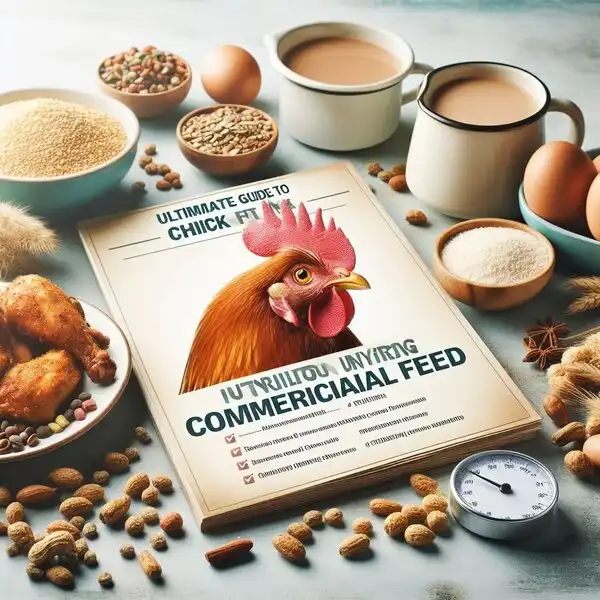
While commercial chicken feed is convenient and widely available, it may not always provide the ideal nutritional profile for chickens. Many commercial feeds are formulated primarily for maximum egg production or rapid growth, leading to an imbalance of nutrients. Additionally, some commercial feeds contain fillers, additives, or low-quality ingredients that may not be optimal for chickens' health in the long run.

Exploring Alternative Feeding Methods
In recent years, there has been a growing interest in alternative feeding methods that aim to supplement or replace commercial chicken feed. One such approach is advocated by Chickenlandia, a community dedicated to sustainable poultry practices. Their chicken food pyramid emphasizes a holistic approach to chicken nutrition, incorporating a variety of foods beyond traditional feed pellets.
The Chickenlandia Chicken Food Pyramid
The Chickenlandia chicken food pyramid encourages chicken keepers to diversify their flock's diet by incorporating a range of foods, including:
TIP: Keep detailed records of your animals� health, breeding, and production to manage your homestead effectively.
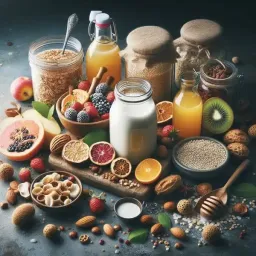
- Scraps: Leftover fruits, vegetables, and grains from your kitchen can be a valuable source of nutrients for chickens.
- Grains: Whole grains like oats, barley, and wheat provide essential carbohydrates and fiber, promoting digestive health.
- Forage: Allowing chickens to free-range or providing access to fresh grass and insects allows them to fulfill their natural foraging instincts while supplementing their diet with additional nutrients.
By following this pyramid and incorporating a variety of foods into their chickens' diet, homesteaders can provide a well-rounded and nutritionally balanced feeding regimen that supports their flock's health and vitality.
Conclusion
In conclusion, feeding chickens a balanced diet is essential for their overall well-being and productivity. While commercial chicken feed serves as a convenient option, it's important to recognize its limitations and explore alternative feeding methods to ensure optimal nutrition for your flock. By embracing a holistic approach to chicken nutrition, incorporating diverse foods, and following the principles outlined in the Chickenlandia chicken food pyramid, homesteaders can promote the health and vitality of their chickens while reducing reliance on commercial feed.
Traditional and Alternative Chicken Diets
When it comes to feeding chickens, there's a rich tapestry of traditional methods that have stood the test of time alongside newer, alternative approaches that offer innovative solutions. In this section, we'll explore the spectrum of feeding practices, from age-old techniques to modern twists on chicken nutrition.
Traditional Methods of Feeding Chickens
Scraps
One of the oldest and most sustainable ways to feed chickens is by offering them kitchen scraps. This includes leftover fruits, vegetables, bread, and even meat scraps (though moderation is key). Not only does this practice help reduce food waste on the homestead, but it also provides chickens with a diverse array of nutrients.
Grains
Grains have long been a staple in chicken diets around the world. Whole grains like corn, wheat, barley, and oats offer essential carbohydrates and fiber, promoting digestive health and sustained energy levels. Many homesteaders opt to grow their own grains or source them locally to ensure quality and freshness.
Foraging
Allowing chickens to free-range or providing access to outdoor spaces where they can forage for insects, seeds, and vegetation is another time-honored practice. Not only does foraging fulfill chickens' natural instincts, but it also supplements their diet with valuable protein and micronutrients.
Modern Twists on Chicken Nutrition
Fermented Grains
Fermenting grains is a practice that has gained popularity among homesteaders and poultry enthusiasts in recent years. By soaking grains in water and allowing them to ferment, beneficial bacteria break down antinutrients, making the nutrients more bioavailable to chickens. Fermented grains are not only easier for chickens to digest but also boast increased levels of vitamins and minerals.
Whey-Soaked Grains
Another innovative approach to chicken nutrition involves soaking grains in whey, the liquid leftover from making cheese or yogurt. Whey is rich in protein, vitamins, and minerals, making it an excellent addition to chicken feed. By soaking grains in whey, chickens receive a nutritional boost while also reducing waste on the homestead.
Addressing Misconceptions
Avocado
While avocados are safe for chickens to consume in moderation, there's a common misconception that they are toxic to poultry. In reality, the flesh of ripe avocados is perfectly safe for chickens to eat, though the pit and skin should be avoided due to their high levels of persin, which can be harmful in large quantities.
Uncooked Rice
Contrary to popular belief, uncooked rice is not harmful to chickens. While there was once a myth that uncooked rice could expand in a chicken's stomach and cause harm, research has debunked this claim. Chickens can safely consume uncooked rice as part of a balanced diet.
Read our full article on Explore apple scrap vinegar guide to get a thorough understanding. We cover all the bases and offer practical advice and tips.
In this section, we've explored both traditional and alternative methods of feeding chickens, highlighting the diversity of approaches available to homesteaders. By understanding the nutritional needs of chickens and exploring innovative feeding practices, chicken keepers can promote the health and well-being of their flocks while embracing sustainable and holistic approaches to poultry nutrition.
Practical Tips for Feeding Chickens
Feeding chickens without relying solely on commercial feed requires a thoughtful approach that prioritizes balance, variety, and nutritional adequacy. In this section, we'll delve into practical tips and strategies for incorporating alternative foods into your flock's diet while ensuring their health and well-being.
Emphasize Balance and Variety
- Diversify Their Diet: Aim to provide a diverse array of foods to meet your chickens' nutritional needs. Incorporate a mix of grains, fruits, vegetables, and protein sources to ensure a well-rounded diet.
- Rotate Food Sources: Rotate the types of foods you offer to prevent boredom and ensure your chickens receive a broad spectrum of nutrients.
- Monitor Consumption: Pay attention to which foods your chickens prefer and adjust their diet accordingly. While some foods may be nutritious, chickens may not consume them if they don't find them palatable.
Sprouting Grains and Legumes
- Increased Nutrient Availability: Sprouting grains and legumes enhances their digestibility and unlocks additional nutrients. The sprouting process breaks down antinutrients, making the nutrients more accessible to chickens.
- Easy to Sprout: Grains like wheat, barley, and oats, as well as legumes like lentils and peas, can be easily sprouted at home. Simply soak them in water for a designated period, rinse them regularly, and watch as they sprout.
Addressing Concerns About Dairy Products
- Historical Practices: While some may advise against feeding dairy products to chickens, historical practices tell a different story. Farmers have long supplemented their chickens' diets with dairy scraps, such as whey and yogurt, without adverse effects.
- Moderation is Key: While dairy products can provide valuable nutrients like protein and calcium, it's essential to offer them in moderation. Too much dairy can lead to digestive upset, so incorporate dairy into your chickens' diet sparingly.
Holistic Approach to Chicken Nutrition
- Balancing Tradition and Innovation: Strive for a holistic approach to chicken nutrition that blends traditional wisdom with modern innovations. Consider the nutritional needs of your chickens alongside sustainable and ethical practices.
- Experiment and Learn: Every flock is unique, so don't be afraid to experiment with different feeding methods and observe how your chickens respond. By staying attuned to their needs and preferences, you can fine-tune their diet for optimal health and happiness.
In this section, we've explored practical tips for feeding chickens without relying solely on commercial feed. By emphasizing balance and variety, sprouting grains and legumes, addressing concerns about dairy products, and adopting a holistic approach to nutrition, you can support the well-being of your flock while embracing sustainable and mindful feeding practices.
Conclusion
In this comprehensive guide, we've explored the intricacies of feeding chickens without relying solely on commercial feed. From traditional methods to innovative approaches, the possibilities for providing a nutritious and balanced diet for your flock are endless. Let's recap some key takeaways:
Key Points
Diversify Their Diet: Incorporating a variety of foods ensures that your chickens receive a broad spectrum of nutrients. From scraps and grains to fruits and vegetables, diversity is key to a healthy diet.
Our in-depth coverage on All about growing using dill guide provides a wealth of information and insights. Be sure to check it out for a comprehensive understanding of the topic.Consider Alternative Diets: Explore alternative diets such as fermented grains and whey-soaked grains, which offer nutritional benefits and can supplement or replace commercial feed.
Don't miss our detailed exploration on A closer look at chicken tractor secrets tips, where we delve into all the aspects of this fascinating topic. It's packed with valuable insights and practical tips.Address Misconceptions: Challenge common misconceptions about certain foods, such as avocado and uncooked rice, by providing insights into their suitability for chickens.
Practical Tips: Offer practical advice for incorporating alternative foods into your flock's diet, emphasizing the importance of balance and variety.
Sprouting Grains and Legumes: Sprouting grains and legumes can enhance digestibility and unlock additional nutrients, providing your chickens with a nutrient-rich diet.
Dive into our article on Comprehensive guide to pickled asparagus tips for a complete overview. We cover all the essential points and provide a lot of useful information.Address Concerns About Dairy: While some may hesitate to feed dairy products to chickens, historical practices and moderation can mitigate concerns and provide valuable nutrients.
Holistic Approach: Advocate for a holistic approach to chicken nutrition that considers both traditional wisdom and modern sustainability practices, prioritizing the health and well-being of your flock.
Importance of Education and Experimentation
As you embark on your journey to provide the best diet for your chickens, remember the importance of education and experimentation. Every flock is unique, and finding the right balance of foods may require trial and error. By staying informed and open to new ideas, you can optimize your chickens' nutrition and overall health.
Join the Homesteading Community
Lastly, we encourage you to share your experiences and insights with the homesteading community. Whether through online forums, social media groups, or local meetups, connecting with fellow homesteaders allows you to learn from others' experiences and contribute to the collective knowledge base.
By working together and supporting one another, we can continue to explore alternative feeding methods, promote sustainable practices, and ensure the health and happiness of our chickens and homesteads.
Thank you for joining us on this journey, and we wish you success in your homesteading endeavors!